Dunellen General Contractor Delivering Reliable Construction Services
Why Selecting the Correct General Contractor Is Vital for Your Project
Choosing the right general contractor is a pivotal decision that can greatly influence a project's success. A qualified contractor guarantees effective oversight and compliance to financial limits. Their ability to handle challenges and preserve transparent dialogue is essential. However, many construction owners overlook critical factors in this selection process. Comprehending these components can contribute to better results and greater satisfaction. What should one consider when determining this significant decision?
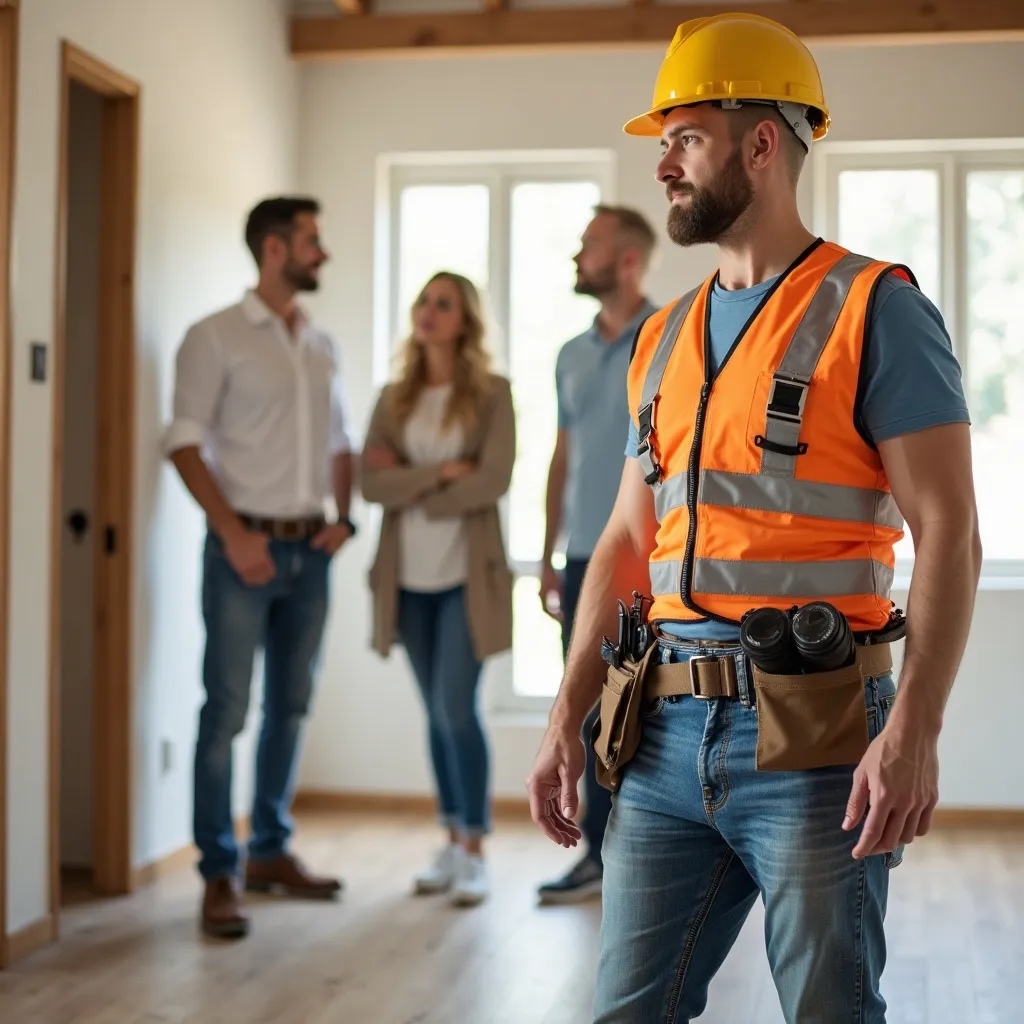
Common Problems in Selecting a General Contractor
When selecting a general contractor, potential clients often encounter several common challenges that can hinder the decision-making process. One significant hurdle is the vast quantity of options available, which can lead to confusion and indecision. Clients may find it hard to differentiate between contractors based on credentials, background, and cost, making it difficult to determine who will best satisfy their construction requirements.
A further challenge is the lack of transparency in contractor bids, where unexpected expenses may emerge later, modifying the project budget. Likewise, clients may face issues pertaining to communication; some contractors may be unable to keep clients informed throughout the process, leading to dissatisfaction. In the end, clients often grapple with verifying a contractor's references and historical work, which can lead to uncertainty about the quality of service to be delivered. These challenges call for careful consideration and research to confirm the right choice is made.
Necessity of a Responsible General Contractor
A dependable general contractor plays an crucial role in guaranteeing project management productivity and maintaining quality assurance guidelines. further information Their expertise helps streamline processes, reducing delays and costs. Additionally, a trustworthy contractor upholds high standards, resulting in superior craftsmanship and client contentment.
Optimize Assignment Administration Results
Efficient project management is contingent upon the trustworthiness of a general contractor. A reliable contractor assures that timelines are followed, resources are efficiently assigned, and communication runs seamlessly among all stakeholders. Their capability to manage subcontractors, suppliers, and laborers directly influences the advancement and final success of the project. A reliable contractor minimizes delays and cost overruns This efficiency encourages collaboration, allowing adjustments and improvements as needed. Ultimately, the general contractor's dependability improves both project functions and trust among clients and team members, ensuring everyone stays aligned toward a successful outcome.
Quality Assurance Standards
Reliable contractors play a significant role in upholding quality assurance standards throughout the course of a project. They confirm that all work adheres to established guidelines and industry best practices, which is for the lasting quality and safety of the structure. A competent contractor maintains careful oversight of materials and workmanship, conducting regular inspections to detect and correct problems quickly. This proactive strategy addresses risks associated with inferior construction, ultimately protecting the investment. Furthermore, a reliable contractor fosters communication among all stakeholders, ensuring expectations are clear and met. By emphasizing quality assurance, a skilled general contractor not only improves the finished product but also cultivates trust with clients, establishing the basis for successful project outcomes.
Analyzing a Contractor's Experience and Reputation
When selecting a general contractor, comprehending their experience and reputation is essential, as these factors greatly influence project results. A contractor's experience typically demonstrates their ability to manage various project types, complexities, and difficulties. Examining their portfolio provides insight into past work, showcasing craftsmanship and attention to detail.
Moreover, standing plays a critical role in establishing trust. Prospective clients should look for internet testimonials, testimonials, and references to ascertain satisfaction levels from previous clients. Consulting with past customers can indicate the contractor's reliability, communication skills, and adherence to timelines and budgets.
Furthermore, sector associations and certifications can bolster a contractor's credibility, suggesting a commitment to quality and responsible practices. By meticulously examining both track record and credibility, clients can select wisely, at last setting the stage for a victorious construction project.
Key Features of a Reputable Contractor
A reliable contractor regularly demonstrates honesty, transparency, and excellent communication skills. These vital qualities form the foundation of a prosperous professional partnership. Honesty ensures the contractor adheres to ethical practices, providing honest evaluations and practical timelines. Transparency entails fully disclosing assignment information, including expenses and potential challenges, building trust between the contractor and the client.
Robust communication abilities allow the contractor to efficiently convey ideas, understand client needs, and promptly address any issues that arise during the project. Furthermore, a dependable contractor demonstrates flexibility, reacting to changes and unforeseen circumstances with resilience and composure. Attention to detail is an additional key trait; it reflects a commitment to excellence and accuracy in every aspect of the work. In the end, these characteristics not only improve project outcomes but also contribute to a positive interaction for clients, making the choice of a trustworthy contractor all the more critical.
Critical Questions to Ask When Hiring Your General Contractor?
What approach can one take to ensure they pick the right general contractor for their project? By posing a collection of targeted questions, potential clients can better evaluate candidates. Initially, inquiring about the contractor's experience with similar projects provides insight into their expertise. It's also vital to request for references; conversing with previous clients can uncover the contractor's reliability and quality of work.
Then, checking licensing and insurance confirms that the contractor meets legal obligations and protects the client from conceivable liabilities. Clients must also inquire about timelines and project management tactics to determine how the contractor plans to execute the project productively.
Budget discussions are essential; requesting a comprehensive quote helps avoid unexpected costs later. Finally, comprehending the contractor's communication preferences can set the groundwork for a successful partnership. By addressing these key questions, clients can choose wisely in choosing their general contractor.
Why Communication Matters With Your Contractor
Effective communication with a contractor is essential for initiative completion. Establishing explicit expectations and sharing consistent feedback can prevent disputes that often lead to costly delays. Additionally, promoting an receptive exchange establishes credibility, ensuring a more productive collaboration throughout the construction process.
Defined Standards Drive Achievement
Setting definite expectations is key for a strong partnership with a general contractor. Transparent communication paves the way for understanding the project's goals, deadlines, and budget limits. When both sides share their needs and concerns, it lowers the chance of misunderstandings that could stop progress. A contractor who understands the exact requirements can manage resources wisely and tackle potential problems proactively. Furthermore, having clear expectations promotes accountability, confirming that the contractor fulfills promises and that the homeowner stays engaged in the process. Prioritizing open communication from the start allows clients to improve partnership and satisfaction, ultimately resulting in a seamless project delivery. Clear expectations simplify workflows but also cultivate trust between the homeowner and the contractor.
Rapid Updates Stop Miscommunications
Defining distinct requirements establishes the foundation for cooperative success, though steady dialogue is equally critical. Routine communication from a construction professional can avert miscommunication that develops during a undertaking. As contractors frequently share project updates, clients remain informed of project schedules, financial adjustments, and anticipated challenges. This proactive communication aids in align both sides' expectations and lowers the risk of conflicts down the road. Furthermore, if issues arise, immediate communication facilitates quicker resolutions, keeping the work on schedule. Through fostering a climate of transparent exchange, construction professionals express their commitment toward the undertaking's success, finally producing a better-organized workflow and greater customer satisfaction. Consequently, prompt updates function as a critical foundation for maintaining clarity and trust throughout the building endeavor.
Open Conversation Creates Trust
During a undertaking's development, maintaining an open dialogue with the general contractor becomes important for promoting trust and collaboration. Effective communication promises that all parties have a precise understanding of standards, timelines, and potential issues. When contractors and patrons engage in consistent dialogues, it facilitates for the spotting of issues before they escalate, decreasing setbacks. This openness not only fosters confidence but also enhances the overall construction experience. Additionally, an accessible communication channel encourages feedback, enabling the construction expert to make refinements that satisfy the client's vision. Ultimately, powerful dialogue establishes a foundation of mutual respect, which is essential for the proper completion of any construction project. Trust cultivated through conversation leads to greater success for everyone taking part.
Frequently Posed Questions
How can I confirm if a Contractor possesses a certification?
To verify if a contractor is registered, one should consult local licensing boards or websites, authenticate their license number, and ensure it's active. Additionally, checking online reviews can deliver clarity regarding their reputation and consistency.
What Insurance Should My Work Professional Obtain?
A contractor should carry broad coverage protection, workers' compensation, and, if relevant, errors and omissions coverage. These cover potential damages, workplace injuries, and mistakes in craftsmanship, ensuring monetary safeguards for both the builder and the client.
What Procedures Should I Take to Evaluate a Contractor's Client Feedback?
To confirm a contractor's endorsements, one should demand a roster of previous clients, connect with them directly, and explore their testimonials. Furthermore, investigating online reviews and ratings can present pertinent details into the contractor's reliability.
What Might I Do if Complications Materialize During the Engagement?
If issues develop during the project, one should record the issues, speak openly to the contractor, and pursue a resolution. If needed, involving a third party or seeking legal advice may also be fitting.
What Alert Signs Should You Keep an Eye On During the Hiring Process?
Red flags found in the recruitment phase include unclear pricing, lack of references, poor communication, incomplete licenses, and poor online reviews. These indicators suggest potential issues that might impact the project's quality and timeline.